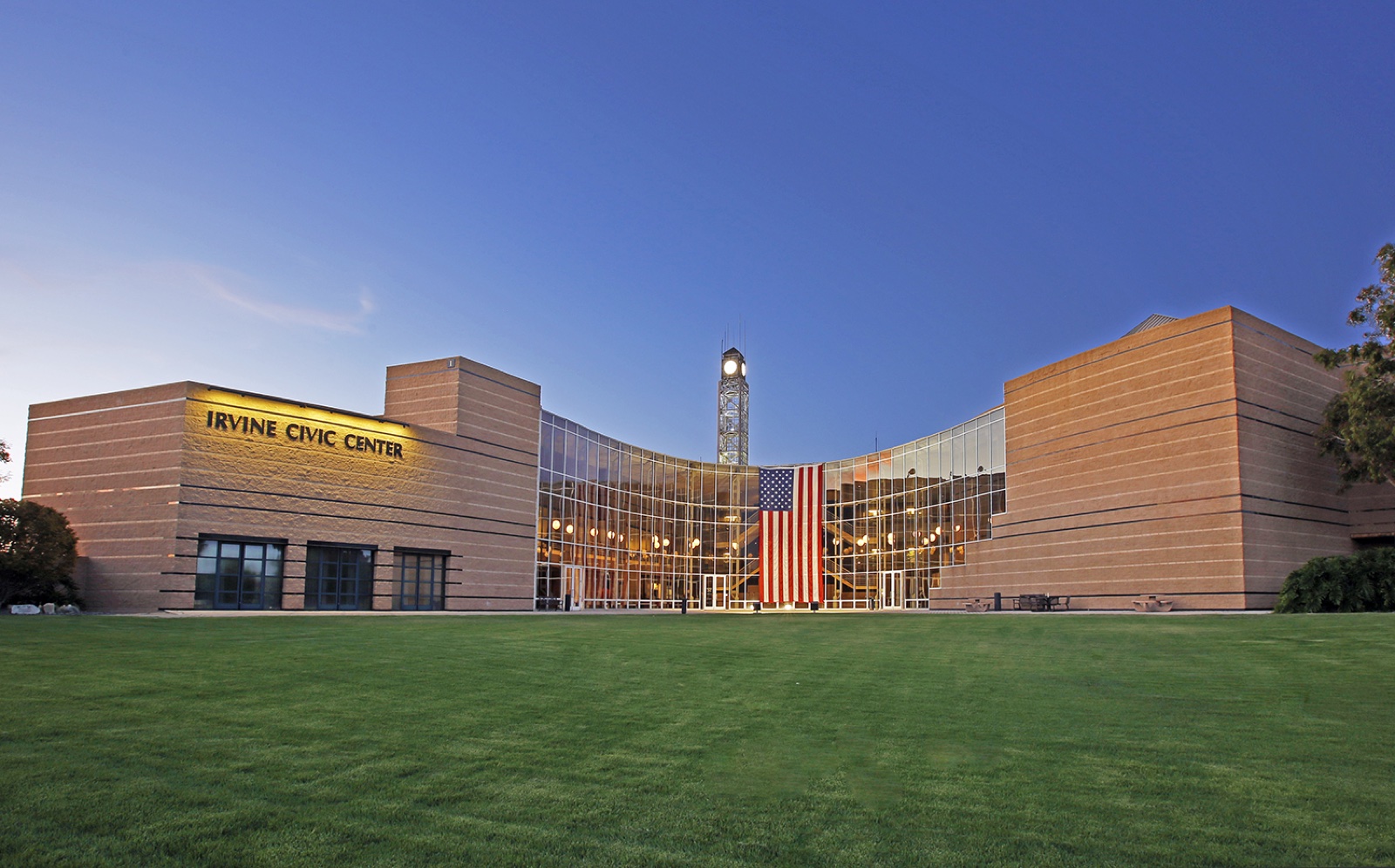
Irvine is on track to become the first city in Orange County to elect its City Council and mayor by ranked-choice voting. With ballots still being counted as of Nov. 10, Measure D was passing with about 52.7% support, nearly 40,000 yes votes to about 35,000 no, Voice of OC reported. The Orange County Registrar of Voters has not yet certified the results.
Irvine is home to more than 300,000 residents. Every other city in the county uses plurality voting, in which the candidate with the most votes wins even without a majority.
How ranked-choice voting works
Under ranked-choice voting (RCV), also called instant-runoff voting, voters rank the candidates in order of preference instead of picking just one. Counting happens in rounds:
- First-choice votes are tallied. A candidate with more than 50% wins outright.
- If no one reaches a majority, the last-place candidate is eliminated and those ballots move to their voters' second choices.
- The process repeats until a candidate passes 50%.
Voters cast a single ballot and do not return for a separate runoff election. San Francisco, Oakland and Berkeley already use the system; no Orange County city does.
The cost cap that could stop it
Measure D includes an unusual safeguard. Implementation costs are capped at 0.23% of Irvine's general fund budget in the fiscal year the system rolls out. The city attorney estimated that at roughly $717,000 based on this year's budget, though the real figure will depend on the 2028 budget. If switching costs more than the cap, ranked-choice voting will not take effect.
Estimates presented to city leaders over the summer by advocacy groups Cal RCV and the RCV Resource Center put 2028 implementation at $230,600 to $710,440, plus $189,000 to $316,000 for voter education and outreach, according to Voice of OC. Because no other OC city uses RCV, Irvine will likely have to help pay for the Registrar of Voters to adopt new counting technology.
Supporters and opponents
Councilmember Kathleen Treseder wrote the ballot argument in favor. In a text to Voice of OC she said that for years "bad actors" in Irvine had run spoiler candidates to manipulate elections; supporters say RCV removes the fear of "wasting" a vote on a long-shot candidate. Voter Choice Irvine, a resident group that backed the measure, said in a Nov. 5 statement from director Branda Lin that it plans a voter education campaign ahead of 2028.
Councilmember James Mai wrote the opposing argument, saying "a council majority put this experiment on that ballot with no idea what it will cost." He cited the city's budget problems, a structural deficit he said could reach $47 million by 2030, and said the Registrar of Voters has confirmed it has no state-certified system capable of running an RCV election and cannot say what it would cost or how long it would take. Councilmember Melinda Liu, who agreed to put the measure on the ballot, said she was glad voters got to decide how they elect their representatives.
What it means for voters
- Nothing changes for the current election cycle; the first ranked-choice ballots would be cast in November 2028, if the cost cap is met.
- Expect voter-education materials from the city and from Voter Choice Irvine in 2027 and 2028.
- Follow the official count and certification at ocvote.gov, the Orange County Registrar of Voters, located at 1300 S. Grand Ave., Santa Ana.



Comments