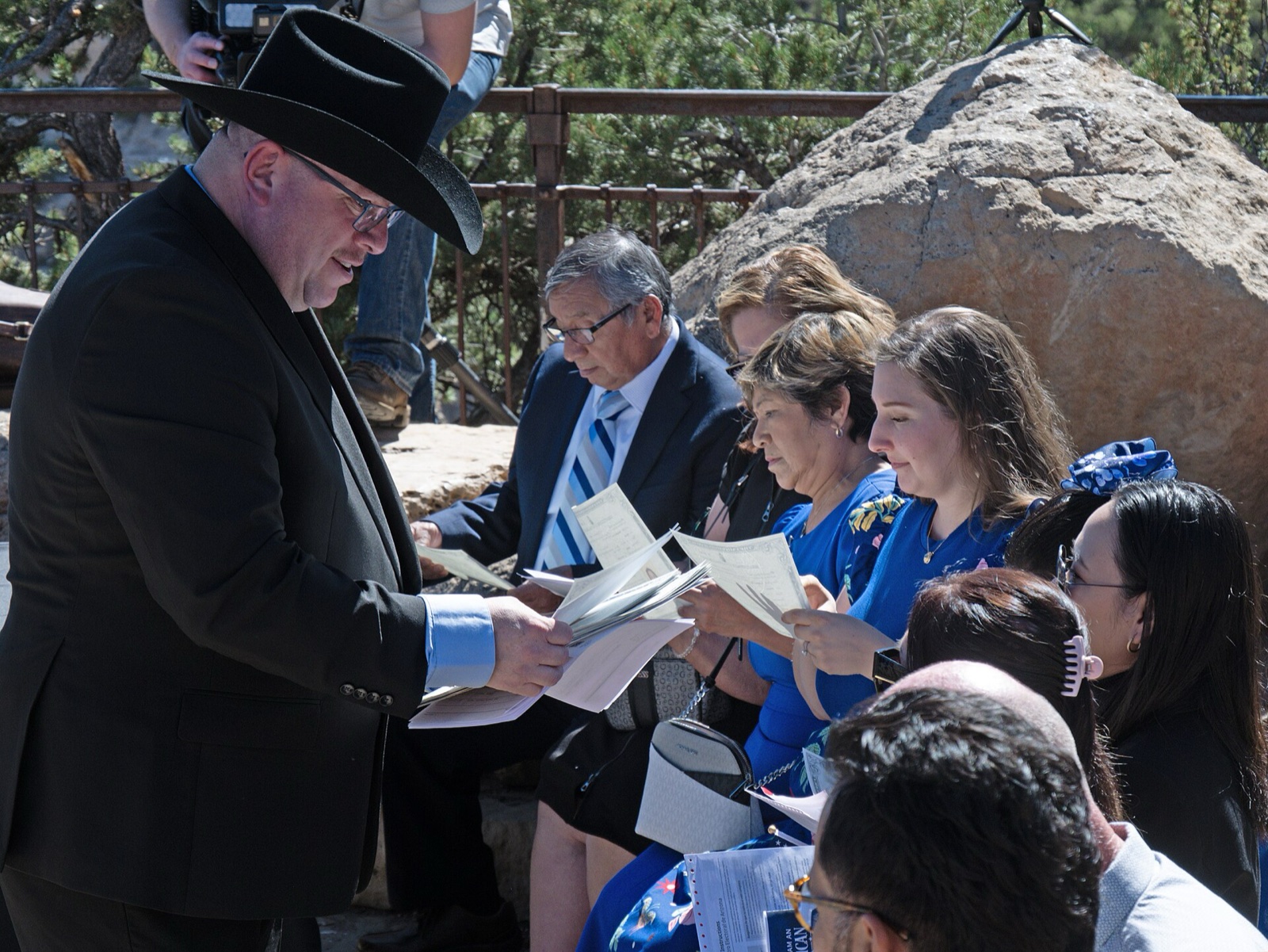
U.S. Citizenship and Immigration Services (USCIS) has issued new guidance that widens what officers look at when deciding whether a citizenship applicant has "good moral character," a legal requirement for naturalization. According to a summary published by the immigration law firm Chugh, LLP, the policy memorandum was issued on November 4, 2026, and directs officers reviewing Form N-400 (the application for naturalization) to weigh an applicant's financial responsibility toward children, use of public benefits and past immigration sponsorship obligations.
For Southern California, home to one of the largest pools of citizenship applicants in the country, the change matters: conduct that was never charged as a crime may now count against an applicant.
What officers will now examine
- Child support and dependents. Officers may ask whether an applicant met financial responsibilities toward children or other dependents, even when no court ever ordered support. Deliberately refusing to pay while having the means to do so may weigh against the applicant, according to the Chugh summary. A genuine inability to pay must be taken into account.
- Public benefits. USCIS may look at cases where an applicant cut work hours solely to qualify for assistance, misreported income or household size, failed to report changes, or did not report travel abroad that affected eligibility for programs such as SSI. This can be considered even without an arrest or conviction. Simply receiving benefits does not disqualify anyone.
- Affidavit of Support (Form I-864). If an applicant previously sponsored a relative for a green card and failed to meet the financial obligations of that legally enforceable affidavit, that history may now be reviewed.
The guidance stresses the difference between deliberate misconduct and honest mistakes, and says poverty, disability or lawful receipt of benefits should not by themselves lead to a denial. It also notes that conduct before the usual three- or five-year review period may still be considered if it reflects on an applicant's present character.
Form N-400 will change
USCIS says it plans to revise Form N-400 to collect more information about financial responsibilities, dependent support and benefit use, and to issue further instructions to officers. No date for the new form has been announced. As of this writing, the agency's online Policy Manual at uscis.gov/policy-manual showed updates only through October 27, so applicants and advocates should watch that page for the official text. The move builds on a 2025 shift toward reviewing good moral character under a "totality of the circumstances" standard, and it comes the same week VisaVerge reported that USCIS has begun denying some N-400 applications over unpaid tax obligations.
Other USCIS changes this week
- Form I-129 (employer petitions for workers): from November 9, USCIS accepts only the 09/09/26 edition of the form.
- Form I-485 (green card applications): filing locations changed on October 7. According to VisaVerge, packets sent to the old addresses are accepted only if postmarked by November 9, 2026.
What applicants should do now
- Gather child-support payment records or court orders, benefits award letters, and the last five years of tax returns before filing.
- If you ever signed an I-864 for a relative, keep proof that the obligation ended or was met.
- Get help only from licensed attorneys or representatives accredited by the U.S. Department of Justice (the official roster is at justice.gov/eoir). Avoid "notarios" who are not authorized to give legal advice.
- Free or low-cost citizenship help in the region is available from nonprofits such as CHIRLA and Public Counsel in Los Angeles, as well as immigrant legal aid organizations in Orange County.


Comments